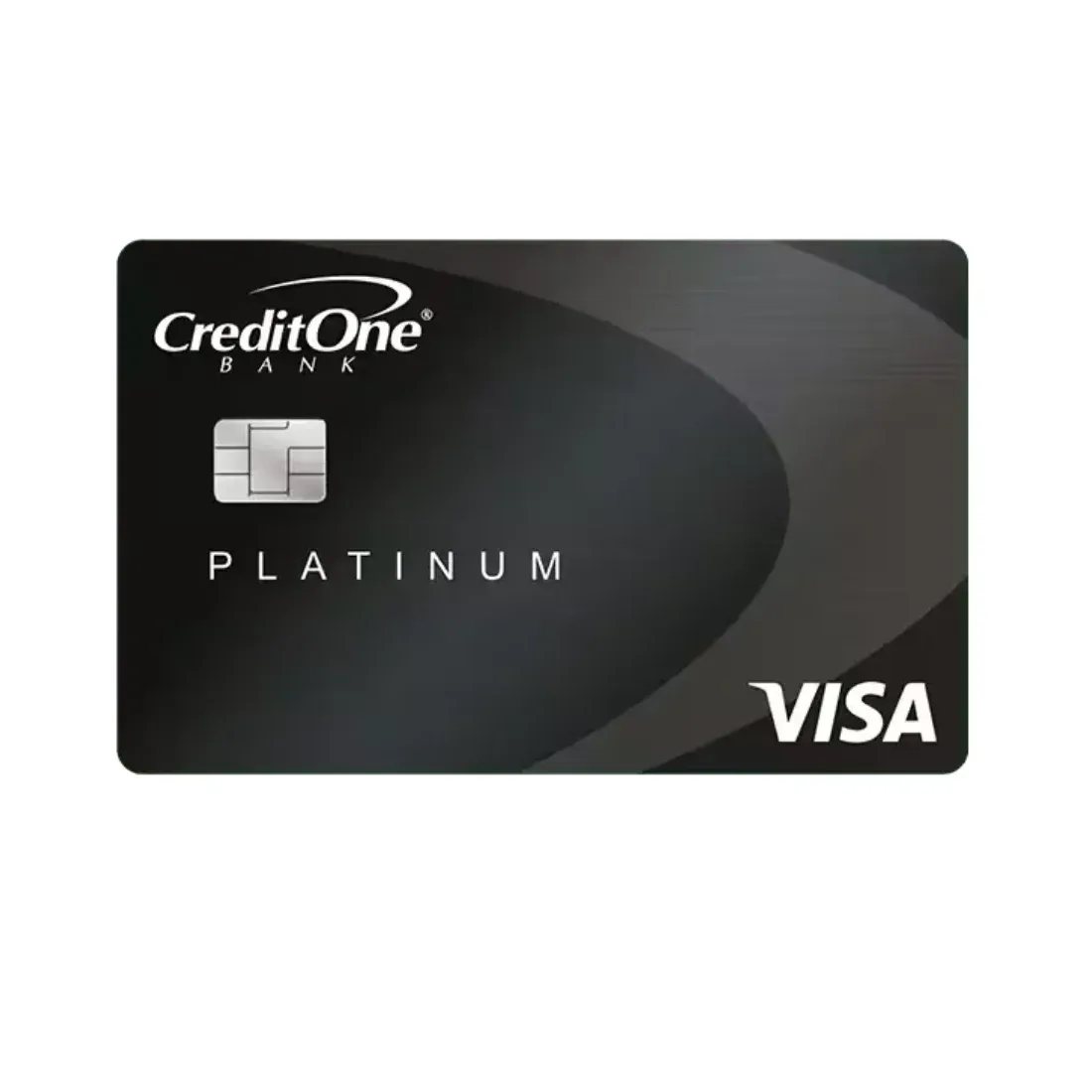
The Credit One Bank® Platinum Visa® is frequently referenced in discussions about credit access for individuals with low credit scores in the United States. It is not positioned as a premium or rewards-driven product. Instead, it typically appears as a credit access option for people rebuilding or stabilizing their credit profiles after past difficulties.
What the Credit One Bank® Platinum Visa® is
This card is issued by Credit One Bank, a U.S.-based financial institution known for issuing credit cards aimed at non-prime credit profiles. The Platinum Visa® is an unsecured credit card, meaning it does not require a security deposit.
Structurally, the card includes:
- Unsecured credit access
- Standard monthly billing
- Reporting to major U.S. credit bureaus
- Use on the Visa payment network
Because it is unsecured, approval criteria typically focus on an applicant’s existing credit record, even if that record includes negative items.
Who this card is typically associated with
Editorially, this card is often linked to:
- Individuals with low or damaged credit scores
- People recovering from missed payments or collections
- Applicants who may not qualify for secured cards or prefer unsecured access
- Users seeking credit re-entry rather than benefits
It is generally not positioned for people with no credit history. Instead, it appears in rebuilding contexts where credit exists but has been negatively affected.
How low credit scores shape usage
The low-score profile strongly influences how this card is used.
In practice:
- Initial credit limits are often relatively low
- Interest rates tend to be higher
- Spending requires careful monitoring
- Payment discipline is critical
For users with limited income and low scores, this card is often discussed as a controlled re-entry tool rather than a flexible spending instrument.

Our SEO expert team is dedicated to mapping and ranking the top opportunities in the U.S. financial market. We combine technical data analysis with rigorous curation of credit cards, loans, and side hustle strategies. Our focus is ensuring you find precise, secure, and up-to-date information to make the best decisions for your financial future.